
Psychology·July 7, 2026·6 min read
The psychology of better decision-making
Smart people make poor decisions every day. Here are the hidden biases behind them, and how to catch them before they choose for you.
My work depends on predicting what people will choose before they choose it. On stage that looks like mind reading. In reality it is pattern recognition: human decisions follow shortcuts, and once you know the shortcuts, the choices become visible.
The first shortcut is anchoring. The first number, option, or idea you hear pulls every judgment that follows toward it. Negotiators use it deliberately, and so do I when I guide a volunteer toward a card. The defense is simple to say and hard to do: notice the anchor, then ask what you would decide if you had heard it last instead of first.
The second is confirmation. Once we lean toward an answer, we collect evidence for it and quietly discard the rest. Audiences do this every night, and it is why an illusion survives scrutiny. In a boardroom the cure is to assign someone to argue the other side out loud, because a bias you can hear is a bias you can answer.
The third is social proof. When the people around us commit, our own certainty rises without any new information arriving. It is the reason a whole room applauds a decision that no individual in it would have made alone.
You cannot switch these shortcuts off, and you would not want to, since they are what lets you order lunch in under an hour. What you can do is know when the stakes deserve a slower path: name the anchor, invite the counterargument, and separate what the group feels from what the evidence says. That is most of what better decision-making really is.
Written by
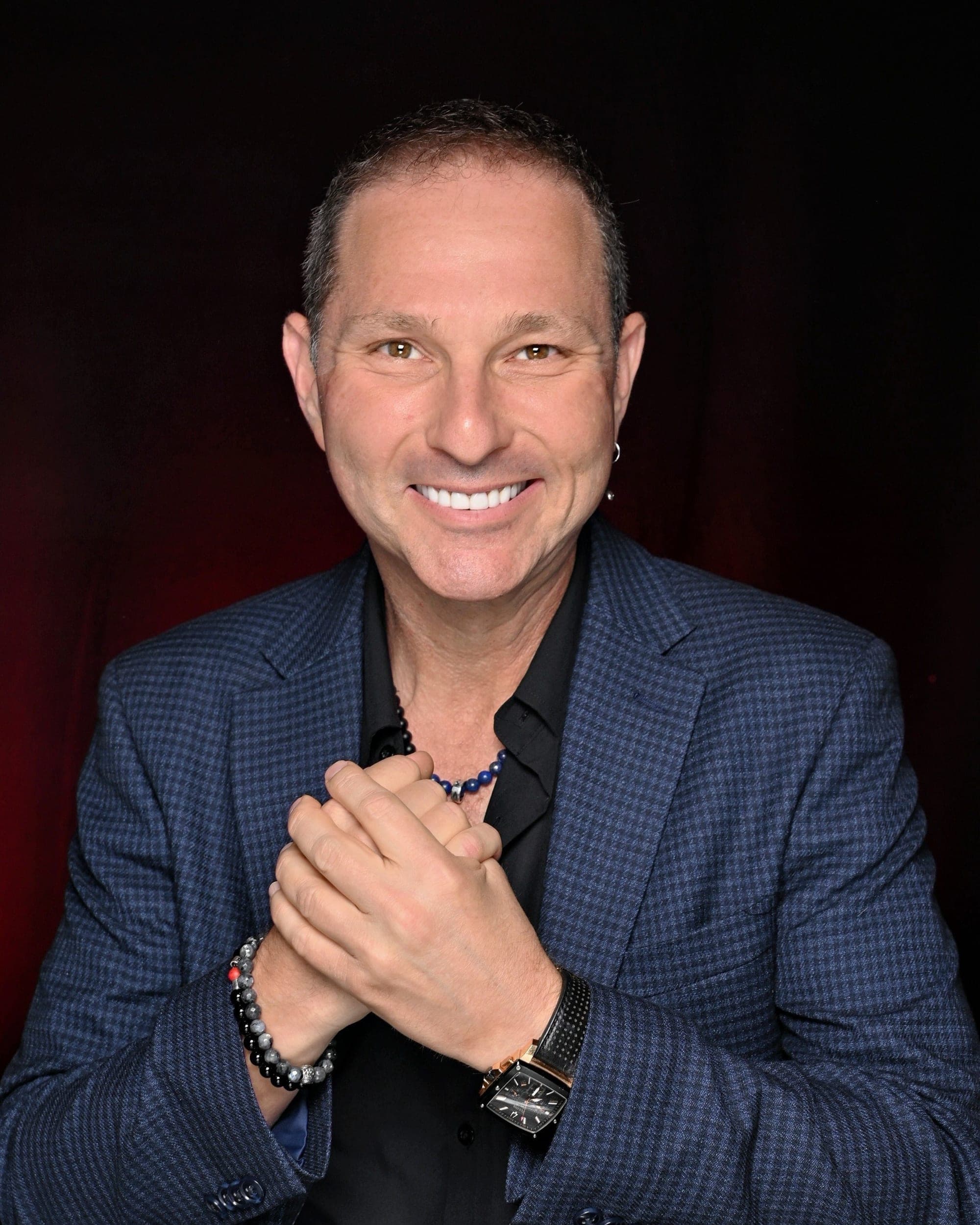
Guy Bavli
Mentalist, keynote speaker, and television personality. Decades on stage, more than 5,000 appearances, and audiences in more than 60 countries.